Showing posts with label Diagnosis and Treatment. Show all posts

Middle East respiratory syndrome coronavirus (MERS-CoV) – Qatar

On 4 May 2016, the National IHR Focal Point of Qatar notified WHO of one additional case of Middle East respiratory syndrome coronavirus (MERS-CoV) infection.

Details of the case

A 40-year-old, male, Qatari national was admitted to hospital on 26 April for an unrelated medical condition. On 1 May, the patient reported having frequent exposure to dromedaries as part of his work. He tested positive for MERS-CoV on 2 May and 3 May. The patient has no other comorbid conditions and no history of exposure to the other known risk factors in the 14 days prior to onset of symptoms. He is currently in stable condition, admitted to a negative pressure isolation room.
The Department of Health Protection and Communicable Disease Control in the Ministry of Public Health has immediately carried out case investigation and contact tracing activities. Samples were collected from household contacts and health care workers. All tested negative for MERS-CoV.
Contacts will be followed up until the end of the 14-day monitoring period following the last exposure to the case. Health education messages about appropriate preventive measures were shared with all contacts and they were advised to comply with the recommended preventive measure against MERS-CoV infection, and to report to the health authorities on the development of any respiratory symptoms. Infection prevention and control measures in all health facilities have been reinforced by the Ministry of Public Health.
The Ministry of Agriculture and Animal Resources has been notified and investigation of the dromedaries is ongoing.
Globally, since September 2012, WHO has been notified of 1,729 laboratory-confirmed cases of infection with MERS-CoV, including at least 624 related deaths.

WHO risk assessment

MERS-CoV causes severe human infections resulting in high mortality and has demonstrated the ability to transmit between humans. So far, the observed human-to-human transmission has occurred mainly in health care settings.
The notification of additional cases does not change the overall risk assessment. WHO expects that additional cases of MERS-CoV infection will be reported from the Middle East, and that cases will continue to be exported to other countries by individuals who might acquire the infection after exposure to animals or animal products (for example, following contact with dromedaries) or human source (for example, in a health care setting). WHO continues to monitor the epidemiological situation and conducts risk assessment based on the latest available information.

WHO advice

Based on the current situation and available information, WHO encourages all Member States to continue their surveillance for acute respiratory infections and to carefully review any unusual patterns.
Infection prevention and control measures are critical to prevent the possible spread of MERS-CoV in health care facilities. It is not always possible to identify patients with MERS-CoV early because like other respiratory infections, the early symptoms of MERS-CoV are non-specific. Therefore, health-care workers should always apply standard precautions consistently with all patients, regardless of their diagnosis. Droplet precautions should be added to the standard precautions when providing care to patients with symptoms of acute respiratory infection; contact precautions and eye protection should be added when caring for probable or confirmed cases of MERS-CoV infection; airborne precautions should be applied when performing aerosol generating procedures.
Until more is understood about MERS-CoV, people with diabetes, renal failure, chronic lung disease, and immunocompromised persons are considered to be at high risk of severe disease from MERS‐CoV infection. Therefore, these people should avoid close contact with animals, particularly camels, when visiting farms, markets, or barn areas where the virus is known to be potentially circulating. General hygiene measures, such as regular hand washing before and after touching animals and avoiding contact with sick animals, should be adhered to.
Food hygiene practices should be observed. People should avoid drinking raw camel milk or camel urine, or eating meat that has not been properly cooked.
Given the lack of evidence of sustained human-to-human transmission in the community, WHO does not recommend travel or trade restrictions with regard to this event. Raising awareness about MERS-CoV among travellers to and from affected countries is good public health practice.
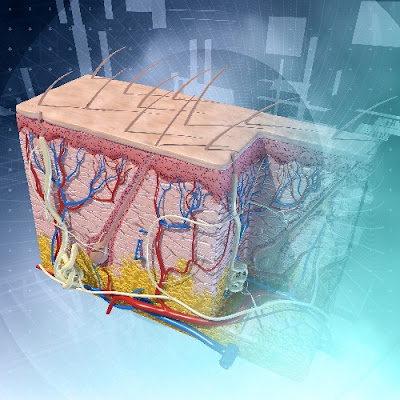
Skin Disorders


Skin color, texture, and folds help distinguish people as individuals. Anything that interferes with skin function or causes changes in appearance can have important consequences for physical and mental health. Dermatologists are the medical doctors who diagnose and treat disorders of the skin.
Many problems that appear on the skin are limited to the skin. Sometimes, however, the skin provides clues to a disorder that affects the entire body. Consequently, doctors often must consider many possible diseases when evaluating skin problems. They may need to order blood tests or other laboratory tests to look for an internal disease in people who come to them with a skin problem.

Acne and Related Disorders

Acne is a common skin condition causing pimples on the face and upper torso.

Bacterial Skin Infections

The skin provides a remarkably good barrier against bacterial infections. Although many bacteria come in contact with or reside on the skin, they are normally unable to establish an infection. When bacterial skin infections do occur, they can range in size from a tiny spot to the entire body surface. They can range in seriousness as well, from harmless to life threatening.

Biology of the Skin

The skin is the body’s largest organ. It serves many important functions , including regulating body temperature, maintaining water and electrolyte balance, and sensing painful and pleasant stimuli. The skin keeps vital chemicals and nutrients in the body while providing a barrier against dangerous substances from entering the body and provides a shield from the harmful effects of ultraviolet radiation emitted by the sun. In addition, skin color, texture, and folds help mark people as individuals. Anything that interferes with skin function or causes changes in appearance  can have important consequences for physical and mental health.

Blistering Diseases

A blister (bulla, or, when small, a vesicle) is a bubble of fluid that forms beneath a thin layer of dead skin. The fluid is a mixture of water and proteins that oozes from injured tissue. Blisters most commonly form in response to a specific injury, such as a burn or irritation, and usually involve only the topmost layers of skin. These blisters heal quickly, usually without leaving a scar. Blisters that develop as part of a systemic (bodywide) disease may start in the deeper layers of the skin and cover widespread areas. These blisters heal more slowly and may leave scars.

Fungal Skin Infections

Fungi usually make their homes in moist areas of the body where skin surfaces meet: between the toes, in the genital area, and under the breasts. Common fungal skin infections are caused by yeasts (such as Candida— or dermatophytes, such as Epidermophyton, Microsporum, and Trichophyton . Many such fungi live only in the topmost layer of the epidermis (stratum corneum) and do not penetrate deeper. Obese people are more likely to get these infections because they have excessive skinfolds. People with diabetes tend to be more susceptible to fungal infections as well.

Hair Disorders

Hair originates in the hair follicles. These follicles are located in the dermis, the skin layer just below the surface layer and above the subcutaneous fat. Hair follicles are present everywhere on the surface of the body except the lips, palms of the hands, and soles of the feet. New hair is made in the hair matrix at the base of the hair follicle. Living cells in the hair matrix multiply and push upward. These cells rapidly dehydrate, die, and compact into a dense, hard mass that forms the hair shaft. The hair shaft, which is made up of dead protein, is covered by a delicate covering (cuticle) composed of platelike scales.

Hypersensitivity and Inflammatory Skin Disorders

Hypersensitivity and inflammatory skin disorders are caused by immune system reactions that involve the skin.

Itching and Dermatitis

Itching can be very uncomfortable. It is one of the most common reasons people see doctors who specialize in skin disorders (dermatologists).

Nail Disorders

Many disorders can affect the nails, including deformities, dystrophies, infections, and ingrown toenails. Infections can involve any part of the nail and may or may not change the nail's appearance. Most nail infections are fungal (onychomycosis—, but bacterial and viral infections occur.

Noncancerous Skin Growths

Cells of the skin and underlying tissue may accumulate and cause growths. Growths may be raised or flat and range in color from dark brown or black to flesh-colored to red. They may be present at birth or develop later.

Parasitic Skin Infections

Most skin parasites are tiny insects or worms that burrow into the skin and make their home there. Some parasites live in the skin for part of their life cycle. Other parasites live in the skin for their entire life cycle. Parasitic skin infections frequently cause severe itching and inflammation. Parasitic skin infections include

Pigment Disorders

Melanin is the brown pigment that produces the various shades and colors of human skin. Coloration (pigmentation) is determined by the amount of melanin in the skin. Without melanin, the skin would be pale white with shades of pink caused by blood flow through the skin. Fair-skinned people produce very little melanin, darker-skinned people produce moderate amounts, and very dark-skinned people produce the most. People with albinism have little or no melanin and thus their skin appears white or pale pink. Usually, melanin is fairly evenly distributed in the skin, but sometimes people have spots or patches of skin with more melanin. Examples of such spots include freckles, age spots ( lentigines), and melasma.

Pressure Sores

Pressure sores are areas of skin damage resulting from a lack of blood flow due to pressure.

Psoriasis and Scaling Disorders

Psoriasis , pityriasis rosea , lichen planus  Lichen Planus), and lichen sclerosus ( Lichen Sclerosus) are different skin disorders that have been grouped together because the bumps, rashes, scales, and skin discoloration they cause have similar characteristics. That is, the rashes and bumps have well-defined borders, and the scales usually do not crust, crack, or weep with fluid.

Skin Cancers

Skin cancer is the most common type of cancer. Skin cancer is most common among people who work or play sports outside and among sunbathers. Fair-skinned people are particularly susceptible to developing most forms of skin cancer because they produce less melanin. Melanin, the protective pigment in the outer layer of skin (epidermis), helps protect the skin from ultraviolet (UV) light. However, skin cancer also can develop in dark-skinned people and in people whose skin has not had significant sun exposure. Skin cancers may also develop years after x-ray therapy or exposure to substances that cause cancer (for example, ingestion of arsenic).

Sunlight and Skin Damage

Sunlight stimulates vitamin D production, helps control some chronic skin diseases (such as psoriasis), and causes a sense of well-being. Yet sunlight can also cause damage to the skin. Damage includes not only a painful sunburn  Sunburn) but skin cancers, wrinkling and other changes associated with aging skin, and even allergic reactions and worsening of some skin diseases ( Photosensitivity Reactions). The skin shields the rest of the body from the sun's rays.

Sweating Disorders

Sweat is made by sweat glands in the skin and carried to the skin’s surface by ducts.

Treatment of Skin Disorders

Topical drugs (drugs applied directly to the skin) are a mainstay of treating skin disorders. Systemic drugs are taken by mouth or given by injection and are distributed throughout the body. Rarely, when a high concentration of a drug is needed at the affected area, a doctor injects the drug just under the skin (intradermal injection).


Viral Skin Infections

Many viral infections, such as measles ( Measles), chickenpox (Chickenpox), and rubella ( Rubella), cause rashes, spots, or sores on the skin, as well as other symptoms. Herpesviruses often cause rashes and sores (Herpes Simplex Virus Infections). However, in two common viral infections, warts ( Warts) and molluscum contagiosum (Molluscum Contagiosum), the virus remains solely within the skin and does not spread to other parts of the body.

Zika virus infection – Chile 19 April 2016

On 26 March 2016, the National IHR Focal Point of Chile notified PAHO/WHO of a confirmed case of sexual transmission of Zika virus; this is the first case acquired in continental Chilean territory where there is no presence of aedes [vector] mosquitoes.
The case (Person A) developed symptoms consistent with Zika virus disease: rash, retroauricular adenopathies, conjunctivitis, and arthritis on 4 February. Her partner (Person B) developed symptoms consistent with Zika virus disease after travelling to a country where local transmission of Zika virus is known.
Infection by Zika virus was confirmed for both cases IgM and IgG positive for Zika virus (Person A) and IgM and IgG positive for Zika virus, and negative for dengue IgM (Person B).

Public health response

Health authorities in Chile are taking the following measures:
  • conducting social risk communication on safer sexual practices,
  • advising travellers to areas where Zika virus is circulating to seek medical assistance if presenting symptoms associated with Zika virus infection after return
  • All patients (male and female) with Zika virus infection and their sexual partners (particularly pregnant women) should receive information about the potential risks of sexual transmission of Zika virus, contraceptive measures and safer sexual practices, and should be provided with condoms when feasible. Women who have had unprotected sex and do not wish to become pregnant because of concern with infection with Zika virus should also have ready access to emergency contraceptive services and counselling.
  • Sexual partners of pregnant women, living in or returning from areas where local transmission of Zika virus is known to occur, should use safer sexual practices or abstinence from sexual activity for the duration of the pregnancy.
  • As most Zika virus infections are asymptomatic:
    • Men and women living in areas where local transmission of Zika virus is known to occur should consider adopting safer sexual practices or abstaining from sexual activity.
    • Men and women returning from areas where local transmission of Zika virus is known to occur should adopt safer sexual practices or consider abstinence for at least four weeks after return.
    • { Registered.(Content From WHO) }

37 Home Remedies for Acne

Acne Vulgarism is commonly known as Acne. Acne is the most common skin disease in the people from teenage to middle age (mostly seen in United Nations). Acne occurs when you hair follicles came into contract with oil & dead cells. i.e., during puberty, when sebaceous glands (oil glands) are combined with male hormones produced by the adrenal glands of both male & female. It is mainly due to Hormone changes, stress levels, unbalanced diet etc. Acne produces scars, irritation, redness on the affected skin etc., when it occurs. There are many ways to control Acne & also to prevent it.

Symptoms of Acne:

Following are the main symptoms of Acne.
  • Pimples/zits
  • Black heads
  • White heads
  • Nodules
  • Cysts (red inflamed patches of skin)
  • Papules (small red bumps)
  • Crusting of skin bumps
  • Scarring of skin
  • Redness in the skin

Body Parts which are Mostly Affected by Acne:

Listed below are the parts where Acne can be seen commonly in the people.
  • Face
  • Shoulders
  • Neck
  • Chest
  • Back side of the body
  • Upper arms
  • Legs

Home Remedies for Acne:

These are the best home-made natural remedies which can treat Acne effectively.

1 Lemon

Process – 1:

  • Take a slice of Lemon
  • Apply it by rubbing on the affected area of Acne
  • Leave it for few hours without disturbing the affected part.
  • Finally rinse your face with water.

Process – 2:

  • Take Lemon juice & rose water in equal quantity.
  • Mix it well
  • Apply it on the affected part/ Face.
  • Leave it for about 20 minutes or you can use by washing your face with that liquid.
  • Wash the affected part of acne.
  • Repeat the process for better results.

Process – 3:

  • Rinse your face gently with water.
  • Take a lemon juice in a bowl & add yogurt in little quantity & mix it well.
  • Apply it on your face by using cotton ball / finger tips.
  • Leave it for few minutes & rinse off completely with water.
  • Repeat the process regularly for better results.

Process – 4:

  • Wash your face & let it sit for few minutes to dry.
  • Take fresh lime juice & ground nut oil in equal quantity.
  • Mix it well to make a fine liquid.
  • Apply it on your face/ affected part.
  • Leave it for few minutes.
  • Rinse your face with clean water.

Process – 5:

  • Take fresh lemon juice & unboiled milk.
  • Mix it well, like for one cup of unboiled milk, squeeze one lemon.
  • Make it like a fine liquid.
  • Wash your face with that liquid everyday to avoid the problem of acne.

Process – 6:

  • Take a table spoon of Chickpea powder & squeeze a lemon in it.
  • Use milk/water to make it like a fine paste.
  • Apply that paste on the affected part of skin.
  • Leave it for few minutes.
  • Rinse your face thoroughly with water
  • Apply moisturizer depending on your skin type.

Note:

  1. Lemon contains Vitamin C & has Acidity nature/ critic acid, it will clean in the skin pores properly by applying it on the face.
  2. Acne is caused by body tissues; Lemon contains an Astringent, which will cause a contraction of body tissues to reduce the acne.
  3. It is a natural skin whitener too.
Check out the detailed and in-depth information about lemon treatment for acne problem.

2 Tooth Paste

  • Take a small amount of Tooth Paste, which we use regularly.
  • Apply it on acne before going to bed.
  • Tooth paste will help not to swell the acne & makes it dry for the whole night.
  • Wash the affected part on the morning with water.
  • Do this regularly, within 2 days, acne will disappear.

Note:

Tooth Paste has the property of Clotting i.e., it stops swelling & helps in quick heal to prevent spreading of acne.

3 Tea Tree Oil

Process – 1:

  • Take a small amount of Tea Tree Oil.
  • Apply it on the affected skin, then it produces bacteria fighting cells, which helps to reduce & remove the acne but it slightly irritates on the applied skin.
  • Apply a drop of oil for 3 – 4 times in a day on the affected part.
  • Do it regularly for better results.

Process – 2:

  • Rinse your face with water & allow it to dry for some time.
  • Take tree tea oil & dilute it with water in 1:9 ratio i.e., one part of oil to nine parts of water.
  • Dip a Q-tip or cotton swab in mixture & apply it on the affected area.
  • If you want to increase strength, use less diluted part of water but make sure to use a new diluted mixture for at least a week.
  • Apply moisturizer afterwards, depending upon your wish.
  • Follow this regularly for better results of preventing acne.

Process – 3:

  • For people who are having Sensitive skin, can apply the Tea Tree Oil by diluting it with Aloe Vera instead of using the water.

Note:

  1. Tea Tree Oil is also be used as an Antiseptic, which helps to remove damaged skin cells of acne.
  2. It is having anti bacteria property & it kills of the acne causing bacteria, unblocks the pores & prevents further outbreaks.
Would you like to check more information about how tea tree oil helps for acne problem.

4 Fenugreek

  • Take fresh Fenugreek leaves (Herbal) & mix it water to make fine paste.
  • Apply this herbal paste on the affected part of skin
  • Leave it for 10 to 15 minutes.
  • Wash your face with warm water.
  • Do this regularly for three to four days to get heal from acne.

5 Aloe Vera

Process – 1:

  • Take fresh Aloe Vera juice & apply it on the affected part of the skin.
  • Leave it for few hours without disturbing it.
  • Wash that affected part with clean water.
  • Do it regularly in twice a day.

Process – 2:

  • Take a fresh Aloe Vera juice (squeezed from its leaf).
  • Mix it with turmeric, honey, milk & few drops of rose water.
  • Mix the above with this Aloe Vera juice.
  • Apply this paste on the acne affected part.
  • Leave it for about 15 – 20 minutes.
  • Wash your face/affected part with water.

Note:

  1.  Aloe Vera is having the medical properties of healing scars caused by acne or by another.
  2. Fresh aloe Vera juice squeezed from the leaf will get the better results.
  3. Aloe Vera not only for soothing, it also works as anti-bacterial & anti –inflammatory to decrease redness & swelling.
Know in-depth information of how aloe vera can help your acne problem.

6 Indian Lilac or Neem

  • Take a few Neem leaves & make it like a fine paste by adding water to it.
  • To that paste, apply a little of Turmeric powder & mix it well.
  • Apply the paste on the affected part of the skin.
  • Leave for some time & wash your face with water.
  • By doing this process regularly, will help to heal the acne very fast.

Note:

Neem or Indian Lilac is having fungicidal properties, which will help to cure various skin problems including acne in a faster way.

7 Honey

Process – 1:

  • Take a small amount of Honey & apply it on the affected skin.
  • Leave it for about half an hour
  • Wash the affected part with warm water first & then with cold water so that the skin pores will get closed & problem will be solved soon.
  • Do it regularly.

Process – 2:

  • You can also make face pack with honey to heal from Acne.
  • Take honey & powered nutmeg in equal quantity, mix it well.
  • Apply on the face like face pack & leave it for an hour.
  • Then wash your face with clean water.
  • Do this face pack regularly to stop Acne problem.

Process – 3:

  • Wash your face gently & allow it to dry for few minutes.
  • Take three (3) fresh Strawberries & mash it well but see that not to over mash it.
  • Add two teaspoons of honey in the mashed strawberries & blend it into a fine paste.
  • Apply it on your face & leave it for about 20 minutes.
  • Rinse off completely with warm water & allow it to dry.
  • Apply moisturizer for not make it dry.
  • Do it twice a week for at least a month to get rid of acne problem.

Note:

  1. Honey is having the property of Antiseptic / anti inflammatory & Moisturizing, which will help to heal the acne.
  2. Strawberries are high in Salicylic acid, which is a primary ingredient in many commercial acne treatments.
  3. Strawberries also encourage epidermis to shed its cells more readily, opening up clogged pores & neutralizing the bacteria & helps in new cell growth.
Check out more and in-depth methods of honey treatment for acne.

8 Cucumber

  • Take one small cucumber & make it like a fine paste with the help of the blender.
  • To that paste, add small amount of yogurt (a tea spoon quantity) & mix it well.
  • Apply that paste on the affected part of Acne.
  • Leave it for about half an hour or more depending on the affect
  • Wash it with clean water.
  • Do it regularly, as cucumber is one of the easiest remedy at home to get relief from Acne.

Note:

Cucumber is having a property of cooling & soothing, which helps in the treatment of Acne.

9 Orange Peel

  • Orange juice & its peel both are good in treating acne problem, but use orange peel rather than Orange juice.
  • Take orange peel & allow it to dry under the sun.
  • Take a small amount of the dried orange peel & make it like a fine powder by grinding it.
  • Add water to make it like a fine paste.
  • Apply it on the affected part of the skin.
  • Leave it for 10 to 15 minutes & wash the applied part with warm water.
  • Apply moisturizer. Make the same regularly.

Note:

Orange is having Acidity property & Vitamin C, which helps to heal the scars very fast.

10 Grapes

  • Grapes are very affective in acne prevention & include grapes in your regular diet for better results.
  • Take fresh & chilled grapes, cut in half & apply/rub the grapes in the affected part.
  • Leave it for 10 to 15 minutes & wash your face with cool water,
  • It helps to prevent the Acne & give relief from the pain & also closes the opened shin pores.

Note:

Grapes are rich in Vitamin C, which helps to prevent Acne problem.

11 Apple Cider Vinegar

  • First of all wash your face with clean water & allow it to dry for some time.
  • Take a pure unfiltered apple cider vinegar & fresh water in 1:3 ratios i.e., 1 part vinegar to 3 parts of water & mix it well.
  • Now take a cotton ball & dip in the mix & apply it on the face or at affected area.
  • Leave it for at least 10 minutes or if possible, overnight.
  • Wash your face with clean water after applying for each time & add a moisturizer after washing.
  • Repeat it daily for better results.

Note:

  1. Apple Cider Vinegar is a power house, it kills the bacteria that affecting the skin first & prevents spreading of Acne.
  2. It also acts as alkaline & balances the pH of the skin to prevent bacteria affect on the skin.
  3. It is also having the property of an Astringent, which will help to dry up the excess oil & make the skin dry, which helps in protecting the skin from acne.
Check out more brief information about how acv helps for acne.

12 Cinnamon & Honey Mask

Process – 1:

  • Wash your face with water & allow it to dry.
  • Mix honey & Cinnamon in the ratio of 2:1 i.e., 2 tablespoons of Honey with 1 teaspoon of Cinnamon & make a fine paste with the help of blender.
  • Apply that paste on your face like a mask & leave it for about 10 to 15 minutes .
  • Wash your face & pat dry.
  • Do it regularly but make sure to have paper towels at hand as this is a sticky mixture.

Process – 2:

  • Wash your face with water & allow it to dry.
  • Take cinnamon powder & honey.
  • Mix it well to make a fine paste.
  • Apply that paste on the pimples/affected part before going to bed.
  • Keep it like that without disturbing it for the whole night.
  • Repeat the process regularly for getting faster relief from the acne problem.

Note:

  1. Cinnamon is having a property of antimicrobial. Which helps in stopping bacteria from getting out of the hand, as this is the main thing to prevent the spread of acne,
  2. Honey is a natural anti biotic, which helps to wipe out the bacteria. So this mixture is very helpful in preventing the Acne.

13 Milk or Yogurt with Honey

• First of all, make the yogurt or milk to come to room temperature by taking it out from chilled place & kept aside.
• After coming to room temperature, mix 1 tablespoon of yogurt or milk with 1 tablespoon of honey (Natural / Raw) & mi it well.
• Apply it with cotton ball as a layer & allow the layer to dry for next one.
• Do the same until you feel the mask in thicker & reached all over.
• Leave it for about 10 to 15 minutes. Rinse off the mask & use a cloth to scrub gently on the face in a circular motion to get rid of loosened dead skin.
• Apply moisturizer to make skin more protected.

Note:

  1. Milk is having a property to improve outbreaks & skin tone. It will make the irritated skin very smooth.
  2. Yogurt is having acidic nature & antibacterial present in these acids will have to prevent the acne problem & make the skin beautiful by moisturizing & nourishing it.

14 Egg White

  • Rinse your face with water & allow it to dry for some time.
  • Take 2 – 3 eggs & separate in from yolks.
  • Whisk the whites until they properly mixed into a fine one & kept it aside for few minutes.
  • Apply that on your face by focusing on the Acne spots in layers. i.e., apply all over the face for one time & make it dry for some time & apply again.
  • Repeat the process for 3-4 times to get 3 – 4 layers.
  • Leave it to sit & dry for about 20 minutes. Wash your face with warm water & make it dry with a soft cloth/towel.
  • At last apply moisturizer, which suits your skin type. Do it regularly to get rid of the acne problem.

Note:

Egg white contains many Proteins & vitamins which helps to rebuild the skin cells, soak up excess oil. It reduces the acne problem & fades scars quickly & easily.

15 Papaya

  • Rinse your face with water & allow it to dry for some time.
  • Take a fresh Papaya & mash it well until the consistency is easily applied on the skin.
  • Apply the paste as a mask by focusing on the acne affected part.
  • Leave it for 15-20 minutes & wash your face completely & neatly with warm water.
  • Allow it to dry & apply moisturizer, which suits your skin well.

Note:

  1. Plain raw papaya is a natural remedy for acne that removes dead skin cells & excess lipids from the surface of the skin & makes it smooth & soft.
  2. Papaya is also having Papain enzyme, which reduces inflammation & helps in preventing the pus from forming from acne
  3. It is also a natural whither too.

16 Banana Peel

  • Take a fresh banana, peel it off & eat the banana.
  • Now take the peel & rub in a circular motion all over the face.
  • After apply all over the face thoroughly, let it sit for at least 30 minutes.
  • Rinse off completely with water.

Note:

  1. Banana is having full of vitamins even their peel is also.
  2. Peel contains Lutein, a powerful Anti – oxidant that helps to reduce swelling & inflammation.
  3. It also encourages the cell to grow healthy.
  4. When you rub a banana peel on your face, it will reduce the redness, obviousness & at last acne will disappear.

17 Sodium Bicarbonate

Process – 1:

  • Take a bowl/ box of sodium bicarbonate or Baking soda & mix it water in equal parts to form thick paste.
  • Massage that paste on your face/affected part in a slow circular motion for at least two minutes.
  • Apply it like a mask. Let it sit for around 15 to 25 minutes.
  • Wash your face thoroughly with warm water & dry it to apply moisturizer.

Process – 2:

  • Take baking soda & water.
  • Mix a half cup of baking soda with one eighth (1/8) cup of water.
  • Apply the paste to your face & massage it well.
  • Leave it for 5 – 6 minutes.
  • Rinse off completely with warm water & dry it to apply moisturizer.

Note:

Sodium bicarbonate is having a mild Anti septic properties as well as uncanny ability to fight fungus & bacteria & also dry up excess oil. It is also having microdermabrasion to make the skin soft & beautiful, like this it helps in healing the acne affect & acne.
Also Read the Post: Home Remedies for Acne Scars on Back

18 Using Steam

  • Take a pot full of water & boil it.
  • Pour the boiled water in a large bowl & allow it to cool for some time to get the room temperature. Once it reached the room temperature, place your face above the bowl to grab the steam.
  • Drape the towel or some other cloth over your head for not to escape the steam to outside.
  • After 10-15 minutes remove the towel & pat your face to dry. Do this regularly once a day or as needed by you.

Note:

Steam can reduce acne & its glaring appearance by opening up the skin pores & flushing out impurities lurking deep within your skin.

19 Garlic

Process – 1:

  • Take 2-3 cloves of garlic & extract the juice & mix it well with water or mash the cloves.
  • Let sit in water for about 10 minutes.
  • Now dip a cotton ball/pad & apply on the affected part/spot.
  • Leave it for few minutes & rinse it with water.
  • If you’re not interested in soaking the garlic in water then you can use Aloe Vera instead of water like this.
  • Take 2-3 cloves of garlic & aloe vera gel.
  • Apply aloe vera gel with a clove of garlic on the affected part of the skin.
  • Leave it for few minutes & rinse it completely with water.

Process – 2:

  • Rinse your face & pat dry before going to do the process.
  • Take 2 – 3 cloves of garlic & make it like a fine paste with the help of blender.
  • Add 1 tablespoon of yogurt (thin curd) to it.
  • Mix it well to make a fine paste.
  • Apply that paste on the affected part of the skin.
  • Leave it to dry for some time.
  • Wash your face with clean water & allow it to dry.

Note:

Garlic is having antibacterial, anti fungal & anti septic property to reduce the acne. But never use the garlic without diluting it.

20 Oatmeal

Process – 1:

  • Take one serving of Oatmeal in a bowl, whip up a batch of oatmeal as usually by following the instructions given in the box.
  • If it is finished & still hot, add two tablespoons of raw honey & mix it well.
  • Be sure that the mixture will have to cool to room temperature before applying on your skin.
  • Lastly you need is a burn.
  • Leave it for 20-30 minutes.
  • After that, rinse off with warm water & allow the skin to dry.

Process – 2:

  • Take a bowl of Oats & soak/cook them to use them in any mask & add some honey to it.
  • Apply it on the affected area. Rinse it with water after some time.

Note:

  1. Oats if used in a mask & applied will help to reduce the inflammation & redness.
  2. Make sure that Oatmeal on its own will not cure the acne & should be used as a part of a treatment.
  3. It will reduce the blatant, painful appearance of acne & breakouts.

21 Olive oil & Vanilla Extract

Keep in hand the following things while stating the process.
  • 1 ½ cup of white sugar
  • 1 ½ cup of brown sugar (either light or dark)
  • 2 – 3 tablespoons coarse sea salt
  • ½ cup of extra virgin olive oil (Roughly)
  • 10 tablespoons of pure vanilla extract
  • 1 whole vanilla bean (Optional)

Coming to the process of Making & Applying:

  • Take a bowl & mix both sugars by adding a coarse sea salt & mix it well.
  • If you’re using vanilla bean then scrap caviar out of it from inside stuff & mix it well.
  • Put about 2 cups of this mixture in a liquid measuring cup.
  • Then pour the extra virgin olive oil on the top & let it soak for a minute.
  • Leave a little layer on the top. Mix it in a measuring cup & then add the rest of the mixture, then scrub on the affected area.
  • Add 4-5 tablespoon of vanilla extract on the top depending on your wish.

Note:

  1. Sugar acts as a gentle exfoliator, which helps to get rid of the excess skin cells.
  2. Sugar when mixed with honey, olive oil or just plain water & scrubbing the mix will help to rid you in your acne woes.

22 Avocado

  • First of all rinse your face with water & allow it to dry for some time.
  • Take an avocado & the inside one. Now mash the avocado & then stir it with honey.
  • Continuously doing this mashing/stirring, until it turns to fine paste.
  • Apply that paste on the affected skin/ face & leave it for 15-20 minutes.
  • Rinse your face/applied part with lukewarm water.
  • Allow the face to dry for sometime
  • Apply moisturizer according to your skin type.

Note:

Avocado is full of good vitamins & nutrients, which seems to help the acne problem.

23 Mint

  • Wash your face with water & allow it to dry.
  • Take a hand full of fresh Mint leaves & crush the leaves thoroughly by using the blender or mortar.
  • Rub the juice & crushed leaves on your face or on affected part of acne.
  • Let it sit for about 5-10 minutes.
  • Rinse it well with cold water.

Note:

1. Mint contains Menthol, which works as a natural anti-inflammatory & pain killer.
2. It won’t cure acne completely but helps to reduce the redness & discomfort caused by painful swelling of acne.

24 Potato

• Rinse your face with water & allow it to dry for some time.
• Now take a raw Potato & rub the pulp & juice on the face/affected area of acne in a circular motion for few minutes.
• Leave it for 15-30 minutes.
• Wash it completely with warm water.

Note:

  1. Potatoes are having full of benefits as it is with full of potassium, sulfur, phosphorus & chloride which helps to reduce Acne.
  2. It is also having anti oxidants, which helps to nourish your skin & helps in the growth of new skin cells.

25 Green Tea

  • First of all rinse your face with clean water & allow it to dry for few minutes.
  • Take a bowl & place the leaves in it & pour boiling water in it.
  • Leave it for 4-5 minutes & stir the leaves.
  • Let it cool for some time to cool up to room temperature.
  • Then the liquid can pour in a spray bottle & spray on the face regularly or can apply with the help of cotton pad.
  • Or you can simply use a tea bag steeped for 2-3 minutes by patting on your face or affected area.
  • At last rinse it with cold water.

Note:

Green tea is having an anti oxidant called epigallocatenin – 3 gallate or EGCG which helps to reduce the sebum production, inflammation & bacterial growth to prevent & get rid of acne.

26 Nutmeg

  • Take a few pieces of jaiphal, commonly called as Nutmeg & unboiled milk.
  • Mix it well & make it like a fine paste.
  • Apply the paste on your face/ affected part of acne.
  • Leave it for about two hours.
  • Wash your face thoroughly with water.

27 Tomato Pulp

  • Take a fresh tomato’s & make it like a pulp with the help of blender.
  • Wash your face & pat dry.
  • Apply the pulp as face pack on your face thoroughly.
  • Leave it for 15 minutes.
  • Wash it off with cool water.

Note:

Tomatoes are natural remedies for many skin problems, particularly for acne. Tomatoes are natural whiter too.

28 Sandal Wood

Process – 1:

  • Wash your face & allow it to dry for few minutes.
  • Take rose water (gulab-jal) & sandal wood/ its power in a bowl.
  • Mix it well to make a fine paste.
  • Apply that paste on your face / affected part of the skin.
  • Leave it for about 20 minutes.
  • Rinse it off completely with water.

Process – 2:

  • Take a bowl & add sandal wood powder, which is in pure form.
  • Take other items like Tomato juice, lemon juice & cucumber paste.
  • Mix all the items in a bowl to make it like a fine paste.
  • Apply it on the face/affected area.
  • Leave it for few minutes & allow it to dry.
  • Rinse your face/affected area with water.

Process – 3:

  • Take black gram dal & sandal wood in powdered form.
  • Mix it well & make like a fine paste by adding few drops of water in it.
  • Apply this paste on your face/affected part in the night.
  • Leave it for the overnight.
  • Wash your face with cold water, early in the morning.

Note:

  1. Sandal wood itself is a natural whitener & it cools the irritated part of the skin, when applied.
  2. Sandal wood cures acne by its natural properties.

29 Honey & Lemon

  • Wash your face before going to start the process.
  • Take 2 table spoon of honey, 1 table spoon of cinnamon & 1 teaspoon of fresh lime juice.
  • Warm the honey before using it.
  • Mix it well before going to apply to form like a smooth paste.
  • Massage the paste gently on your face with the help of your middle finger & index figure.
  • But make sure to avoid area of eyes.
  • Leave it for 15 – 20 minutes without disturbing it.
  • Rinse your face with water completely.
  • Do it regularly for at least 2 – 3 times a week for better results.

30 Salt

  • Wash your face & allow it to dry for some time.
  • Take a bowl & mix a little of sea salt or cooking salt with water.
  • Mix it less till the salt dissolves in the water.
  • Keep this liquid a side for about 20 minutes.
  • Apply this salt mask on the affected part of skin/acne spots.
  • Leave it for about 10 to 20 minutes.
  • Rinse it off with clean water.

Note:

Salt is a natural cleaner which controls oil in the skin & it helps to prevent acne.

31 Fuller’s Earth

  • Take a bowl & add Fuller’s Earth (Multani mitti) & few drops of lemon in it.
  • Mix it well with water & make it like a smooth paste.
  • Apply it on the affected part/ face.
  • Leave it till it gets dry.
  • Wash your face/affected part with Luke warm water.

Note:

Fuller’s Earth naturally prevents the acne problem with its properties & stops the growth of acne.

32 Clay

  • Take a bowl & add a table spoon of clay with water.
  • Mix it well to make it as a fine paste.
  • Apply it on the affected part of the skin/face.
  • Leave it for few minutes until it gets dried.
  • Rinse it off with cold water.
  • Repeat the process regularly for prevention of acne & to get beautiful skin.

Note:

Clay is a natural whitener & removes all the dirt in the pores of skin when applied. It helps in the prevention of Acne.

33 Straw Berries

  • Take a hand full of Straw berries.
  • Cut it into slices & rub gently on the affected area/pimples for few minutes.
  • Leave it for about 30 minutes to dry.
  • Wash your face with clean water.

Note:

Straw berries act as zit zappers & reduce the problem of acne. If interested include it in the diet, when you face the acne problem.

34 Coriander

  • Take a bowl full of coriander leaves & a small amount of turmeric powder.
  • Make the juice of coriander leaves with the help of mixture/blender.
  • Add turmeric powder to that mix.
  • Mix it well to make it like a fine paste.
  • Apply that paste on the affected part/ pimples area.
  • Leave it for few minutes to dry.
  • Wash it off with water.
  • Repeat the process regularly for better results.

35 Pomegranate Extract

  • Roast the pomegranate peels.
  • Grind it in powder form.
  • Add lime juice in this powder.
  • Mix it well to make a fine paste.
  • Apply this paste on the acne affected part.
  • Leave it for few minutes to dry.
  • Wash it off neatly.

Note:

Pomegranate is an effective natural medicine to cure acne. Include it in the diet for better results.

36 Khajoor (Date) Seeds

  • Take a bowl full of khajoor seeds.
  • Grind the seeds by adding vinegar drops
  • Mix it well to make fine paste.
  • Apply it on the acne affected part in the night time.
  • Leave it for overnight without disturbing it.
  • Wash your face in the morning.

37 Carrot

  • Take some fresh carrots / apple & make it like a paste.
  • Add a little amount of honey & lime juice to that paste.
  • Mix it well for not less than 5 minutes.
  • Massage your face with that paste for about 10 minutes.
  • After that, leave it for about 30 minutes.
  • Wash your face with water.

Note:

Carrot is rich in Vitamin A, which helps to reduce the acne problem. Apple is also good for health; it helps to prevent many health problems including acne.

Tips to Reduce Acne:

Beyond the home remedies listed above, try these tips to get rid of the Acne soon
  1. Lavender: It is an antibiotic & helps in treating acne problem. Use lavender petals to make lavender tea by steeping it on water for few minutes or you can use lavender tea bags to prepare the tea. Take it daily to avoid Acne problem.
  2. Flaxseed: It contains omega fatty acids & fibre, which prevent the acne problem. Use flaxseeds regularly in your diet.
  3. Guggul: It is an herb used in the medicines to treat various problems. For Acne, it is very good medicine. So, it is recommended to take it in a capsule form under the supervision of Dermatologist.
  4. Olive Oil: Olive oil does not clog the pores of skin, massage with few drops of olive oil everyday to prevent acne.
  5. Avoid High Glycaemic Carbohydrate Food: Food items like white rice, potatoes, cakes, granola bars, pastries, all bakery items, Dairy products (cheese, yogurt, cream etc) & others with high carbohydrates should be taken in a less quantity or try to avoid it completely.
  6. Eat Fatty Fish: It contains essential omega 3 fatty acids, which reduce acne.
  7. Pillow Case: Wash your pillow & pillow case once in a week. Otherwise all the dust on it will enter into our face/body & there will be a chance of getting acne.
  8. Don’t Touch the Acne Affected Part: Try not to touch the acne affected part to pop, peel, rib or any other thing. As it causes the problem to prolong & when you put that hand anywhere else, without washing it acne will again repeat at there.
  9. Water: Drinking sufficient water & try to avoid aerated drinks (soft drinks & other which contains high amount of sugar) which helps in solving many health problems & also acne.
  10. Eat Fresh Vegetables & Fruits: Take fresh & green vegetables in your diet & avoid or try to less the poultry food. Take fruits available at their seasonal wise.
  11. Vitamin A and Vitamin B – Complex: Take the food which contains vitamin A & vitamin B – Complex in higher amounts. Food items like carrots, green leafy vegetables, etc.
  12. Ice Cubes: Use ice cubes & massage it on the affected part. it will reduce acne by closing skin pores & reduce inflammation.
  13. Ginger: Ginger is a natural deodorant & styptic. It is also anti septic & astringent will help to cure acne by rubbing it o the skin.
  14. Aspirin: Aspirin is a wonderful product for removing pimples. When it combines with honey, it definitely decreases the problem of acne.
  15. Band Aid: Take a small amount of honey & apply it on the pimple/acne. Cover it with a clean band aid. Do this process while going to sleep why because you should not disturb the band aid. Leave it for overnight & remove the band aid in the morning & wash your face to get rid of acne problem.
  16. Regularly take lime water & Green tea, which helps to prevent Acne.
  17. 17. Regularly take Gooseberry in your diet. It is suggested to take Gooseberry in liquid form i.e. take a glass of water & add goose berry powder in it, which helps to prevent the acne.
  18. Cumin Seeds: Cumin seeds grinded into a fine powder & add water to make it like a fine paste. Apply it on the acne affected area to get the relief.
  19. Rice Flour: Mix rice flour with water/milk & make it like a paste. Apply it on the affected part of skin & leave it for 30 minutes & wash your face with luck warm water.
  20. Take cucumber juice & apply on the affected part of acne with the help of cotton pad regularly for better results.
  21. Take fresh pineapple puree & apply it on the face like a mask. Leave it to dry & rinse your face with cold water.
  22. Practice yoga & meditation to get relief from stress as which is one of the reasons for acne to occur.


Use Garlic For Acne -15 April 2016

Inroduction

Acne is the most common skin problem faced by teenagers and young adults. It occurs whenever hair follicles come into contact with oil and dead skin cells. When the oil glands are mixed with male hormones that are produced by the adrenal glands of men and women, it forms pimples or similar, usually on the face, neck, chest, shoulders, back side of the body, etc.

Cure

Garlic is a common herb which is generally used to flavour food, however it can also be used as a medicine. You can use garlic to treat acne that is caused by bacteria or oily skin.
  
Garlic has anti – bacterial, anti-fungal, anti – viral and anti – septic properties that help to prevent clogged pores and thus, reduces the acne. However make sure it is diluted.
  • It’s anti – oxidant property helps to fight against free radicals which can damage the body or skin cells.
  • Allicin is a compound in garlic which gives pungent taste and smell. It will decompose into the antioxidant called sulfenic acid, which will react very quickly with radicals, limited only by the time in which the two molecules will take to come into contact with each other.
  • Regular intake of garlic will help to strengthen the immune system.
  • It has anti – inflammatory properties which help to reduce the pain, irritation and the discomfort caused by acne.
  • It helps to improve the blood circulation that allows the skin tissues to properly receive all the vitamins and minerals which are essential for healthy skin.
  • It has sulfur compounds called thiacremonon, which acts as a drying agent and also removes acne scars on the skin.
  • Using garlic regularly also prevents the formation of pimples.
  • It has an excellent source of various acne combating nutrients like vitamins (C and B6), minerals, selenium, copper, allicin, zinc (used to control sebum) and other phyto-nutrients.
  • It fights the insulin resistance which is linked to acne. The use of garlic oil helps to improve the insulin sensitivity

    How To Use Garlic For Acne: 

    Garlic can be used in many different ways to treat acne effectively. However, garlic is a strong compound and can cause a burning sensation when applied on the skin. 

    1. Garlic

    Be sure while following this process, you are applying this garlic directly on the skin. Only use if you do not have sensitive skin.
  • Finely crush garlic cloves.
  • Apply to the affected areas of the skin.
  • This will destroy the bacteria causing acne.
  • Leave for a few minutes and then remove the crushed garlic.
  • Remove if the garlic starts to sting.
  • Wash it off with cold water and pat dry.
  • Apply moisturizer and repeat regularly.
  • Or include garlic in diet but avoid eating too much raw garlic as it can overheat the body.

2. Garlic Cloves in Water

Process 1:
  • Crush 3 garlic cloves to extract its juice.
  • Add to 1 cup of water and stir well, leave for 10-12 minutes.
  • Soak a cotton ball in the water for a few minutes.
  • Apply on the acne affected areas of skin.
  • Leave on for few minutes until it dries completely.
  • Rinse it off with water.
  • Continue this process regularly.
  • Note: You can also use warm water.
Process 2:
  • Crush 3 raw garlic cloves which will trigger the allicin production.
  • Mix with 1 tablespoon of water (more water for those with sensitive skin).
  • Rub the mixture over the acne.
  • Allow it to sit for about 10 – 15 minutes (if using garlic for the first time) or leave overnight.
  • Wash off with water and pat the skin dry.
  • Repeat this process regularly.

3. Garlic Cloves in Aloe Vera

  • Mix equal quantities of garlic juice and add aloe vera gel.
  • Gently rub it for a minute or two.
  • Let it sit for few minutes.
  • Rinse it off with water and pat dry.
  • Repeat regularly.

4. Garlic with Yogurt

  • Wash the face and pat dry.
  • Blend 4 garlic cloves to make a fine paste and add 1 tablespoon of yogurt.
  • Stir well and apply all over the affected area.
  • Let it sit for few minutes to dry.
  • Rinse the area with clean water and pat dry.
  • Repeat this process regularly.

5. Garlic with Vinegar

  • Finely crush garlic cloves and squeeze to extract the juice.
  • Add an equal amount of vinegar and stir well.
  • Dip a cotton ball in the solution.
  • Apply on the acne affected areas of the skin.
  • Let it sit for about 5 – 10 minutes.
  • Rinse with lukewarm water.
  • Repeat daily.

6. Homemade Garlic Chemical Peel

Using this garlic mask as a chemical peel for the face is a good option to get rid of acne, as it helps to correct sun damage, removes pimples and blackheads, reduces excessive skin oils, aging, etc.
  • Peel the garlic cloves and then grate them.
  • Press the flat end of the spoon on the garlic pieces and smear it onto the bowl to form a fine garlic paste.
  • Apply a thin layer of garlic paste on all the acne affected areas.
  • Do not get into the eyes, mouth and nose.
  • Leave on for about 15 – 20 minutes.
  • Put the lid on the bowl and place in the fridge.
  • After it dries completely, wash the face with warm water.
  • Dry your face with clean towel and moisturize.
  • Regularize this process to get relief from the acne within few days. But discontinue if there is any burning sensation

7. Garlic with Olive Oil

The mixture of garlic and olive oil helps to clear up the acne from inside out.
  • Peel and blend 4 garlic cloves and 4 tablespoons of extra virgin olive oil.
  • Transfer into an air tight container, you can store in the fridge for 48 hours.
  • Eat a tablespoon of this, with water, twice a day.
  • For more effective results, drink 8 oz glasses of water every day with this process.

8. Garlic Oil

  • Pour natural garlic oil into a bowl.
  • Use a cotton ball to apply to the acne affected areas of the skin.
  • Massage it gently for few minutes.
  • Leave on for few minutes to overnight.
  • Wash with warm water and a mild cleanser.
  • Continue doing this process regularly.

9. Garlic with Apple Cider Vinegar

Apple cider vinegar helps to regulate the pH levels of the skin.
  • Smash a few garlic pods with a mallet.
  • Add 1 teaspoon of raw and unpasteurized apple cider vinegar.
  • Stir it well and apply this mixture on the acne affected skin areas.
  • Massage it for few minutes and then allow it to dry naturally.
  • Wash it off with water and pat the skin dry.
  • Follow this process once a day.

10. Garlic with any Carrier Oil

  • Peel a few garlic cloves and allow to air dry for a few minutes.
  • Pour carrier oil into a pan and heat for a few minute.
  • Add these garlic cloves in it.
  • Allow it to heat for 15 – 20 minutes, stirring occasionally.
  • Stir until the cloves change to brown and then to blackish.
  • Strain the oil and discard the cloves.
  • Let the oil cool before applying to the affected areas of skin.
  • Leave it for few minutes to overnight.
  • Store the remaining oil in an airtight container for further usage.
  • Wash off with lukewarm water and mild cleanser.
  • Continue this same process daily.

11. Garlic with Honey and Fresh Comfrey Leaves

Honey moisturizes and soothes the skin and cures the irritation. Comfrey is good for treating acne.
  • Peel and mash 3 garlic cloves
  • Pound handful of fresh comfrey leaves and add sufficient amount of warm honey and mashed garlic.
  • Warm a cloth and dip it in the mixture.
  • Apply as a mask on the face and leave overnight.
  • Wash it off with cool to lukewarm water.
  • Or you can use this mixture particularly on the acne breakouts.
  • Do this process regularly.

12. Garlic with Honey and Yogurt

This process is especially useful for those people who are unable to bear the stinging sensation of garlic when applied on the skin.
  • Crush garlic pods.
  • Add ½ teaspoon of honey and 2 tablespoons of yoghurt and stir well.
  • Apply this as a mask all over the face.
  • Wait for about 20 – 30 minutes or till it dries completely.
  • Wash it off with water.
  • Or you can also use garlic oil (2 – 4 drops) or garlic powder (1/2 teaspoon).
  • Repeat regularly.

13. Garlic with Turmeric and Manuka Honey Face Mask

Turmeric has an anti – inflammatory which helps to soothe the inflammation and the discomfort caused by acne. Manuka honey helps to heal the blemished skin and thus prevents the acne breakouts.
  • Crush 6 garlic cloves.
  • Add 3 teaspoons of manuka honey and ¼ teasponn of turmeric powder and stir well.
  • Apply this paste on the acne prone areas of the skin.
  • Let it sit for few minutes to dry completely.
  • Wash it off with water and pat the skin dry.
  • Regularize this process.

14. Garlic Oil with Salicylic Acid

These ingredients are high in antiseptic and anti-bacterial properties which help to get rid of the bacteria causing acne.
  • Mix 2 drops each of garlic oil and salicylic oil.
  • Pour on a cotton ball.
  • Apply on the acne affected area.
  • Leave it for few minutes and then rinse off completely.
  • Repeat the same process regularly.

Eating Garlic for Acne:

Eating or drinking garlic will work as an effective remedy for curing acne from the inside out. It fights internally the root cause of acne to prevent it completely. This will help to strengthen the immune system and thus improves the overall health and beauty. It is advisable to take three cloves of garlic once daily for a month to clear this problem.
Process 1:
  • Crush 2 garlic cloves to extract its juice.
  • Add this juice to either water or V8 juice etc.
  • Drink this slowly.
  • Brush your teeth to get rid of the smell.
  • Drink once before going to bed..
    Process 2:

    • Cut garlic cloves into small pieces.
    • Eat these pieces throughout the day.
    • Or you can add these to soups, salads, curries, gravies, etc.
    Process 3:
  • Mince garlic cloves and add sufficient amount of applesauce.
  • Stir it well to make a fine paste.
  • Consume this paste daily.
  • You can use cottage cheese or yogurt in the place of apple sauce.
  • Garlic can be in the form of minced, crushed or chopped.
Process 4:
  • Peel a few garlic cloves and crush into small pieces.
  • Place in a pan and sauté to get a mild, roasted flavor.
  • Add olive oil, parmesan cheese and black pepper.
  • Stir it well and use as a dip regularly.

Is Garlic Good for Acne Scars?

Acne can sometimes cause permanent scarring. These scars will appear as pockmarks or sunken areas of the skin. Garlic cloves will gives long lasting results and minimal side effects.
  • It has anti-oxidants which help to prevent free radicals that leave scars on the skin.
  • It has sulphur, zinc, calcium, vitamin E which helps for proper skin tissue formation by clearing the old and dead skin cells.
  • It enhances for the proper circulation of blood throughout the body that also helps for the scars removal and regenerating new skin cells for proper pH balance of the skin.
Here are the processes that help you to remove the scars from the skin.

1. Garlic with Olive Oil and Honey

  • Wash the face with mild cleanser and warm water and pat dry.
  • Grate 2 garlic clove and mix with water.
  • Apply this on the acne affected areas of the skin.
  • Massage it gently for few minutes before rinsing with warm water.
  • The garlic exfoliates the dead skin cells and removes the top layer of the scarred tissues.
  • It also removes any bacteria or oil in the skin.
  • Do not to leave the garlic on the skin for longer than 5 – 7 minutes.
  • Wash with warm water.
  • Crush 2 more garlic cloves and add 2 teaspoons of olive oil and 1 tablespoon of honey.
  • Mix well and apply on the acne affected skin areas.
  • Let it sit for about 20 – 25 minutes before washing off with warm water.
  • Be sure to wash it immediately if you get a stinging sensation.
  • Apply aloe vera to help not to aggravate the acne while moisturizing and to get some hydration back.
  • Regularize this process.

2. Boiled Garlic

This process helps you to get rid of all the acne scaring and blemishes. Here the boiled garlic is not as strong as raw to avoid any burning.
  • Hit 4 – 5 cloves of peeled raw garlic with a mallet.
  • Pour 250 ml of water into a pan and place on the heat.
  • Bring it to boil and add the garlic.
  • Boil for about 30 – 35 minutes.
  • Turn off the heat and allow it to cool for a few minutes.
  • Mash into a paste and apply on the entire face.
  • Let it sit for few minutes to dry.
  • Wash it off with water and pat dry.
  • Apply some moisturizer and repeat the process regularly.

Garlic Pills or Capsules for Acne:

Make sure to check the allicin level in the garlic capsules as the higher allicin in the capsule the more powerful the capsule will be.
One suppliment is called Allimax, one of the most powerful and safest garlic supplements for treating acne. It is rich in allicin in stabilized form which helps to get rid of the bacteria in the body. So take allimax pills everyday or use Allimax cream.
A second supplement is Garlicin, which is also a very effective garlic supplement but with a special property which leave your body smelling neutral. It is specially coated with organic film that helps to preserve the garlic powder.
You can get them from a herbalist or pharmacy for taking garlic tablets. You will still get the benefits from taking them, but they are not as effective as the fresh form.

Tips and Precautions:

Here are few simple tips and precautions to follow while using these remedies.
  • Make sure to dilute the garlic or its juice with other substance like rose water or water to prevent the burning or stinging sensation on the applied skin.
  • Never leave garlic on the skin for a long time as it can cause blisters.
  • Possible side effects are nausea, bad breath, skin irritation, vomiting, burning sensation in mouth, etc. so do a trial run first.
  • Pregnant women should not try these garlic remedies before consulting the dermatologist and gynecologist. Also do not use on children.
  • Add these garlic cloves in your favorite dinner recipes to get a delicious taste and to prevent these acne breakouts. Try garlic bread.
  • Its always better to use fresh garlic rather than stored garlic as it contains more anti – oxidants.
  • Those suffering from acne rosacea might experience some rosacea symptoms after eating this garlic as it is a trigger.
  • It has blood thinning properties which may cause bleeding problems. Pregnant women and people who have had surgery should avoid or limit this garlic usage. Also people who are on certain medications are strictly advised not to eat garlic in large amounts.
  • Avoid applying pure garlic to the skin or leaving it for long periods.
  • To clear the garlic smell, use with honey or lemon, or soak the cloves in milk for at least an hour before consumption.
  • Make sure to consult your doctor before using all these garlic remedies.
  • Remember to brush your teeth after the intake of garlic cloves to get rid of the bad breath.
All these garlic remedies for acne are natural and effective. It won’t give results overnight, you have to continue applying garlic on acne regularly

Legal highs 'may be linked' to rise in HIV in Glasgow area


Legal highs 'may be linked' to rise in HIV in Glasgow area

A drug misuse expert has warned that legal highs and lack of media attention may be contributing to an increase in HIV cases seen in the Glasgow area.
Health officials have warned people who take drugs about a near five-fold increase in HIV infections.
About 10 cases are linked to injecting in the Greater Glasgow and Clyde area each year - that rose to 47 last year.
Professor Neil McKeganey said legal highs could be a factor in more frequent high-risk injecting behaviour.
NHS Greater Glasgow and Clyde (NHSGGC) is now warning drug users of the dangers of sharing needles and advising anyone who injects to get tested.
For the first time in almost 30 years, new diagnoses of HIV related to drug injecting was at a comparable level among gay and heterosexual men.
Investigations into the outbreak highlighted that some drug users were sharing needles, syringes, spoons and water when preparing and injecting their drugs.
It has also highlighted that there is low awareness of the risks of HIV from doing so.

'Vitally important'

Dr Catriona Milosevic, consultant in public health medicine at NHSGGC, said it was "vitally important" that people who inject drugs do not share or reuse equipment.
She said: "This includes when injecting with close friends or partners - you can't guess whether someone has HIV, and they may have no symptoms and be unaware themselves.
"Everyone involved needs to use a new set of sterile injecting equipment every single time, including needles, syringes, water, filters, and spoons, to protect themselves and others. These are all available from injecting equipment services."
Dr Milosevic said the goal was to get people drug free, but until that is achieved the focus had to be on harm reduction.
Image copyright SPL
Prof McKeganey, of the Centre for Substance Use Research, said any increase in HIV cases was worrying.
He said: "Many people have lost the focus of attention on HIV - there hasn't been much in the media and people tend to think it's not there.
"Actually what we are seeing is an increase in injecting risk behaviour, more sharing of needles than in the past.
"That might be to do with new psychoactive substances, or legal highs, we know that people tend to inject much more frequently and there is evidence that it's a higher risk behaviour."

'Diagnosed early'

Although there is no cure for HIV, there are now treatments which reduce the virus to what doctors describe as "undetectable" levels.
Dr Milosevic added: "Recent discussions have highlighted that those at risk are not aware of the huge advancements made in HIV treatment - there is still a perception that a diagnosis of HIV is a 'death sentence'.
"If people are diagnosed and start treatment early, which requires a test, they can have a similar life expectancy as the rest of the population."

(News From BBC)

HIV update - 26th Feb 2017

HIV update - 26th FEB 2017

Hepatitis C virus often found in semen

Researchers continue to investigate the biological mechanisms which could explain the ongoing epidemic of sexually transmitted hepatitis C in HIV-positive gay men.
Some studies have suggested that sexual transmission is mostly linked to sexual practices that involve some contact with blood (including tiny traces of blood you don’t notice). This makes sense as it is well known that hepatitis C is present in infectious quantities in blood. These sexual practices may include anal sex (especially when it goes on for a long time) as well as fisting and using sex toys.
Until now, it’s generally been thought that while hepatitis C may be present in semen, it’s usually at a low level that isn’t infectious.

Researchers took semen and blood samples from 33 gay men who had both HIV and hepatitis C. They found that one third of the men had detectable hepatitis C in their semen and that it was present in levels that were plausibly high enough to transmit the virus.
When individuals had high levels of hepatitis C in their blood (for example, soon after infection) they tended to have high levels in their semen. But this was not always the case – some men who had low levels of hepatitis C in their blood had high levels in their semen.
The results suggest that hepatitis C can be passed on during anal sex even when there has been no bleeding. They suggest that condoms can play an important role in preventing the transmission of hepatitis C.

Drug resistance in steep decline

The number of people with virus that is resistant to some anti-HIV drugs has fallen significantly in recent years,
A drug-resistant HIV strain is one which is less susceptible to the effects of one or more anti-HIV drugs. Having drug-resistant HIV limits the range of drugs you can use, but you will still usually be able to find an effective treatment.
Drug-resistant HIV can emerge if you regularly miss doses of your anti-HIV drugs or take them late.  Because HIV treatment is now easier to take, with fewer side-effects, resistance is less of a problem than it used to be.
Resistance can also develop when people take HIV treatment regimens which are not powerful enough to keep HIV under control – this was a problem in the 1990s, but is generally no longer an issue for people receiving care in the UK and similar countries.
Looking back at data on thousands of people living with HIV in Switzerland between 1999 and 2013, the researchers found that in 1999 there were 401 patients with a new case of drug resistance, including 69 people who had resistance to multiple drugs. Although many more people were living with HIV in 2013, there were only 23 new cases of drug resistance, including three people with resistance to multiple drugs.
These new cases of resistance in recent years are mostly due to resistant virus being sexually transmitted – individuals having resistant virus when first diagnosed with HIV.
Other people continue to have resistance to some drugs, as a legacy of problems with HIV treatment several years ago. Looking at those individuals who had resistant virus in 2013, most started to take HIV treatment before 2006. Only 15% of cases involved people who began HIV treatment after 2007.

People not taking treatment

Two recent studies shed light on the experiences of people who have chosen not to take HIV treatment or who have had difficulties taking treatment regularly. Researchers have called on clinicians and policy makers to pay more attention to the experiences of people who have fears or concerns about HIV treatment.
In an Australian study, some people were reluctant to start treatment for as long as they felt healthy and normal. They worried that starting treatment would make HIV feel more real rather than lessening its impact. The interviewees were aware of the evidence that HIV treatment reduces the infectiousness of people living with HIV and described feeling pressurised by friends and professionals to take treatment and ‘do the right thing’ for the sake of the wider community – a call that brought about ambivalence and resentment.
These people who had decided not to take treatment often said that they did not know anyone else who had HIV and was not taking treatment. They felt marginalised and silenced within groups of people living with HIV and by HIV support organisations.
In a separate study, researchers interviewed west African women living in London who had had difficulties adhering to their HIV treatment. Internalised stigma about HIV was an undercurrent in many of these women’s accounts, with some women feeling as negatively about the medications as about the illness they are used to treat. Several described HIV treatment as making them feel they were trapped in a monotonous life sentence. As one woman said, “They will tell you that you have to take it. It’s the words ‘for life’ I hate, I can’t stand it.”
But some interviewees talked about how their adherence and their health had improved, citing the support of family members and of doctors who treated them as equal partners. The researchers say that healthcare staff should educate patients about how HIV treatment works and fully involve them in decisions about treatment. They also say that, when possible, it’s helpful for people living with HIV to be open about their HIV status to friends and family, so that they are not isolated and can get support.